
The 7 most used seasonings in traditional Portuguese food
Portuguese food tends to use few seasonings, usually only to enhance the natural flavour and quality of the ingredients. These spices and herbs, present in every Portuguese kitchen, are also a testimony to Portuguese history, as they were often the drive behind the country’s expansion and discoveries. Here are the seasonings most used in Portuguese cuisine.
Spices
Salt (sal)
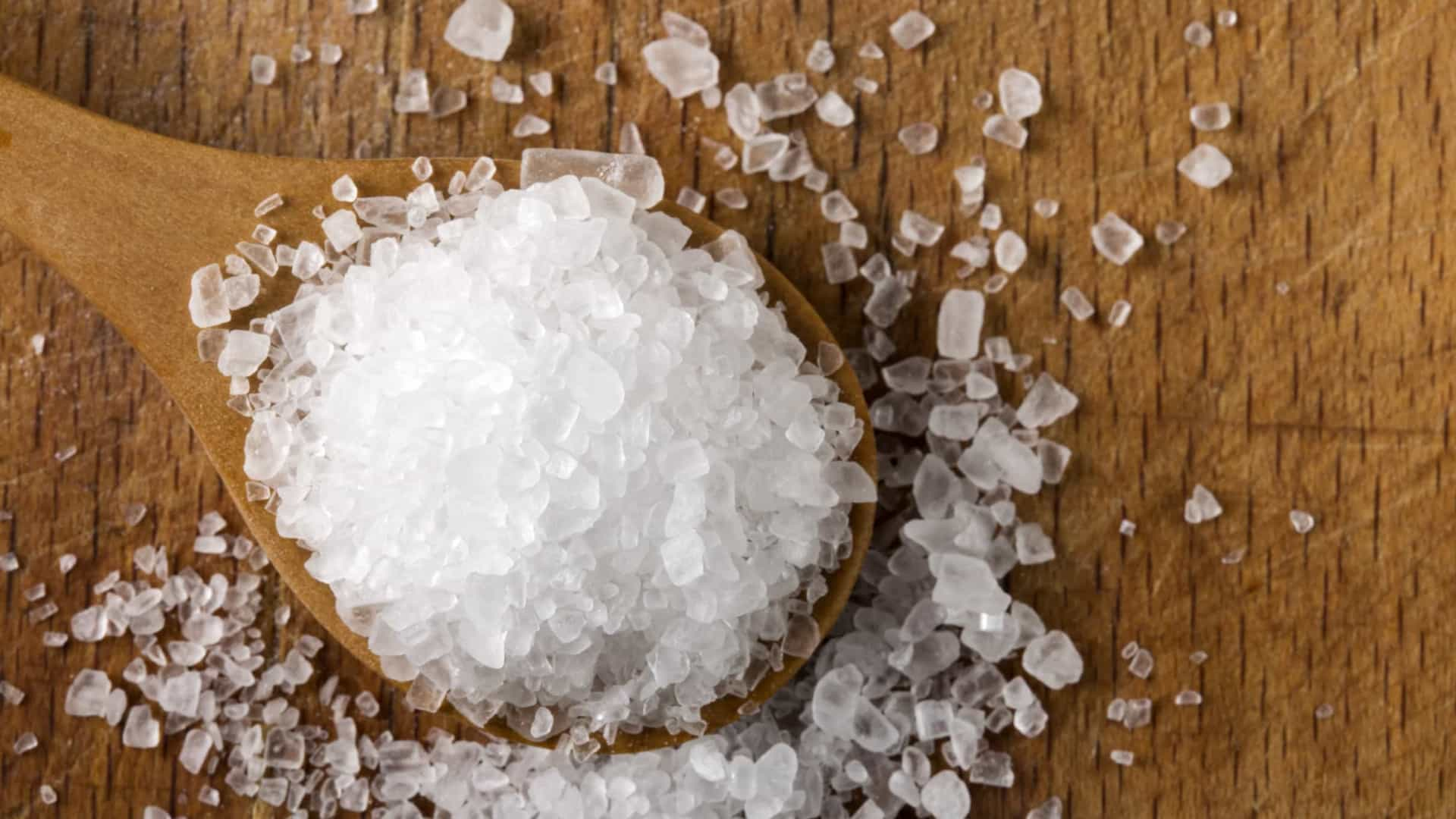
Salt has been produced in Portugal since the Roman occupation of the Iberian Peninsula, with five big production centres called salgados (groups of salt pans, or salinas) in Aveiro, Figueira da Foz, Tejo, Sado and the Algarve. The techniques are still very traditional, labour intensive and passed down through generations. Essential to any Portuguese dish, salt is a natural flavour enhancer and the most used seasoning in Portuguese food.
Black pepper (pimenta preta)

Black pepper was one of the earliest commodities traded in the world. It is impossible to talk about it without talking about the spice routes and the beginning of what we now call globalization. Biting, hot, piney, pungent, woody and sharp are all words used to describe it. Originally from India, together with salt it is essential to most Portuguese savoury dishes.
Cumin (cominho)

Cumin has been used as a spice since ancient Egypt, and the Greeks and Romans also used it as medicine. Originally from Iran and the Mediterranean, it is a small seed of the parsley family with a distinct flavour and a warm, spicy aroma. The Portuguese and Spanish took it to the Americas. Today it is common in curries, Mexican and Middle Eastern food, and in Portugal it is essential in several pork dishes and traditional sausages.
Sweet paprika (colorau or pimentão doce)
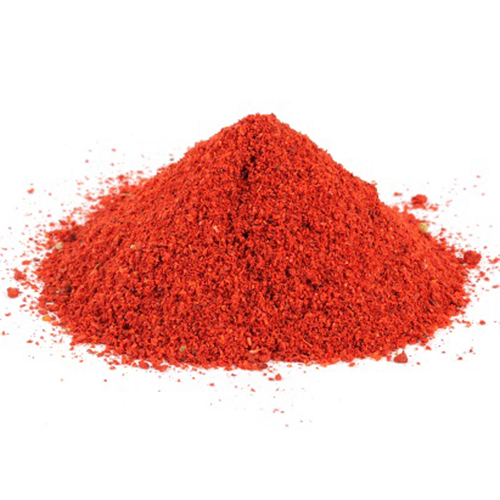
Originally from southern Mexico and Central America, the pepper used to make paprika reached Europe and other continents during the Age of Discovery. Paprika (sweet, smoked and hot) is used all over the world, and in Portugal mainly to season stews and meat dishes.
Cinnamon (canela)
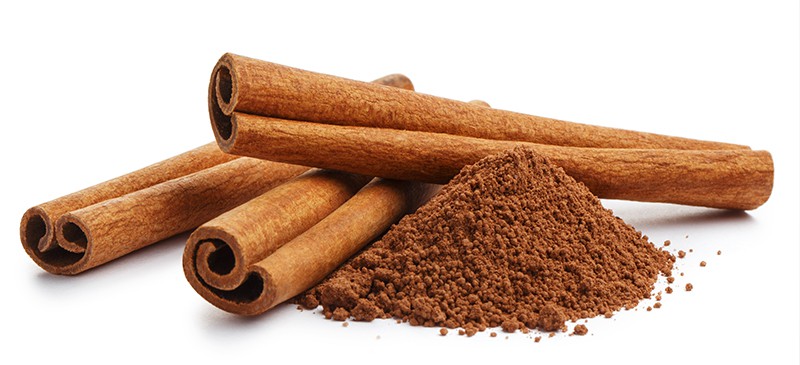
Humans have used cinnamon for thousands of years. As early as 2,000 BC the Egyptians used it as a perfume in embalming, and it is mentioned in the Old Testament as an ingredient of anointing oil. Arab traders brought it to Europe by land, where it became one of the most sought after and expensive spices of all time. Every European court tried to reach it by sea. Columbus and Pizarro tried, but it was Portugal that found the cinnamon plantations of Ceylon, today’s Sri Lanka. The spice quickly became part of Portuguese cooking, especially in sweets and desserts. Try it in our farófias or our Portuguese egg tarts.
Herbs
Bay leaves (louro)
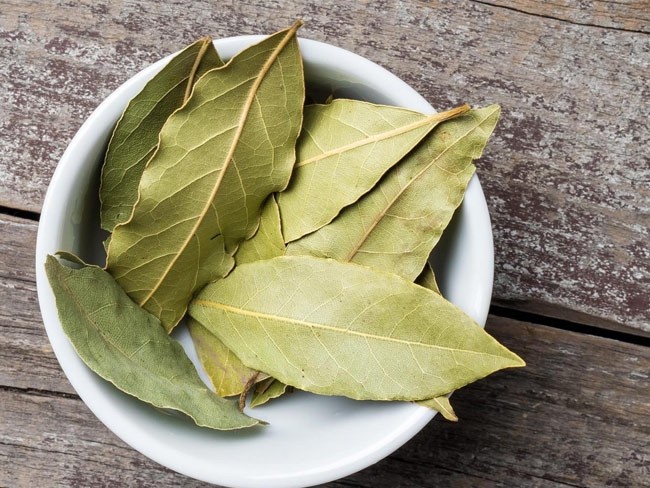
Bay leaves are widely used in Mediterranean cuisine and date back to ancient Greece, where they crowned the champions of the Olympic Games. Used dried, they release their oils when crushed or cooked, which is why they work so well in sauces. They don’t add a new flavour, they enhance the flavours of the other ingredients, giving many Portuguese dishes their richness. Just don’t eat the leaves: remove them before serving.
Cook with these seasonings
Want to learn how to make traditional Portuguese food with these seasonings? Check our cooking classes in Lisbon, or visit our YouTube channel for more Portuguese recipes.