
A brief story of the egg tart, and how it became so popular around the world
Ever wondered who created this small pastry that has taken the world by storm, from West to East and back? In this article we spill the beans and tell you how monks shaped this sugary delicacy, responsible for millions of burnt mouths (just try one straight from the oven).
From Europe with love: what are egg tarts?
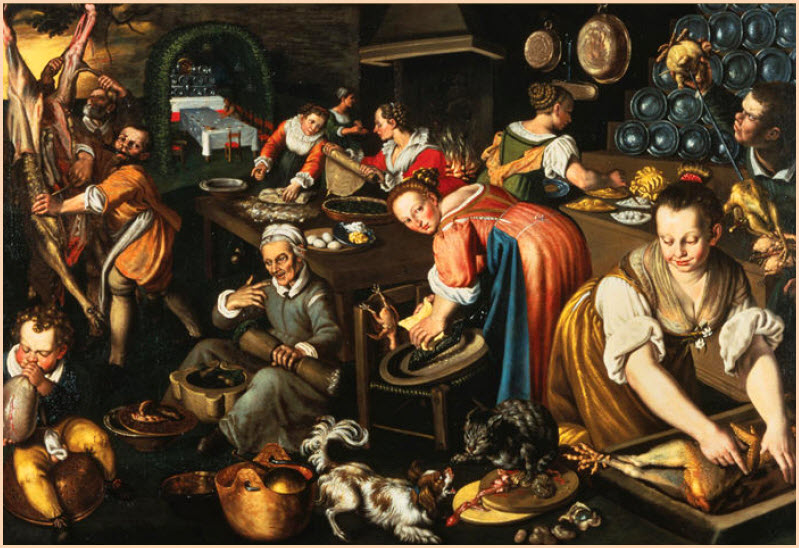
Known by many names, such as custard tarts, egg tarts, flans pâtissier or egg custard tarts, this pastry is an outer crust filled with egg custard and baked. Portugal, England and France each have their own version, with different spices, ingredients or types of pastry.
The Anglo-Norman version
In England, custard plays a big role in desserts. The word comes from the Anglo-Norman crustade, a kind of pie. The original versions were called doucettes and darioles, and some reports say they were served at the coronation banquet of Henry IV in 1399.
The Portuguese egg tart (Pastel de Nata) and its religious origins
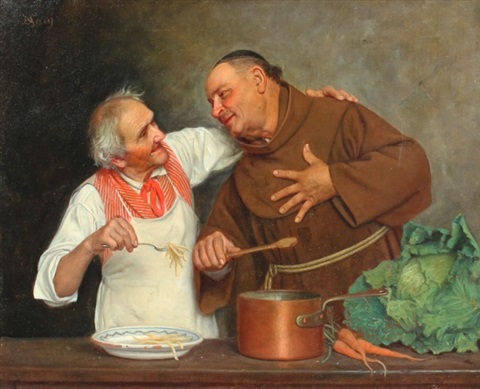
Created in monasteries alongside many of the best Portuguese conventual desserts, the origins of Pastéis de Nata are not simple to trace. They appear in many 19th century texts and illustrations, but pinpointing where they were created is probably impossible, since recording recipes was far less common than today.
The first clear written reference comes from the Santa Clara convent in Évora. Written in 1729 by Maria Leocádia do Monte do Carmo, the recipe for Pastelinhos de Natta used a custard with the same base ingredients, cream, egg yolks and sugar, baked in puff pastry cases.
These recipes were probably shared among travelling monks of the many religious orders in Portugal at the time. With access to sugar and a surplus of egg yolks (the whites were used to starch their habits), the clergy surely baked these pastries often.
The liberal turn
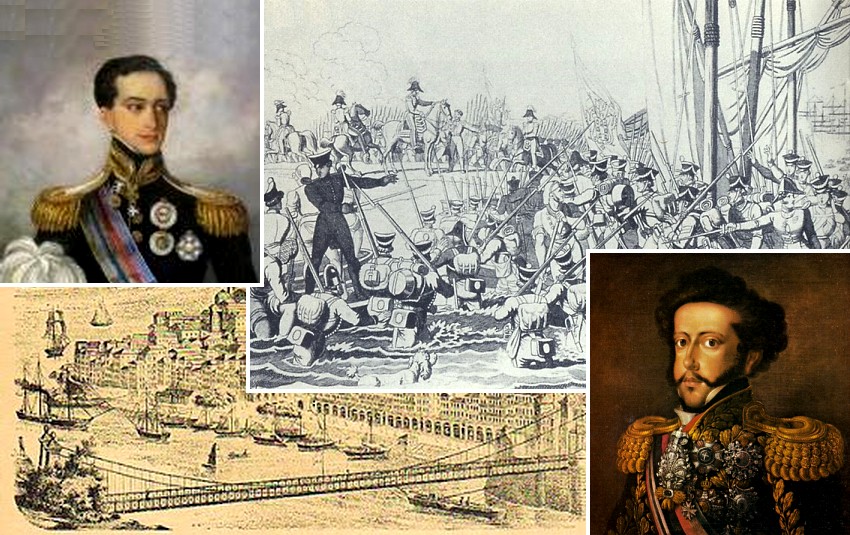
It was only in the mid-19th century that these pastries became available to the general public, and the reason was anything but peaceful. The end of religious orders in Portugal began when the Jesuits were expelled in 1759, under King José I and the Marquês de Pombal. Then in 1834, Pedro IV signed a royal decree abolishing every convent, monastery, college and hospice. Victorious in the Portuguese Civil War (1828-1834), the liberal Pedro IV reflected the anti-clerical ideals coming from Europe, curbing the power the clergy had held under the absolute monarchy.
The commercial revolution

To survive after the end of the religious orders, monks from the Jerónimos monastery started selling egg tarts at a sugar cane refinery next door. They were named Pastéis de Belém, after the area. These were the first commercially available Portuguese egg tarts, and they are still made with the secret monks’ recipe. The oldest and considered one of the best, Pastéis de Belém are a must on any trip to Lisbon. Want to dive deeper? Check our local picks for the best egg tarts in Lisbon.
Asian egg tarts

From Europe, egg tarts travelled to Asia in the early 20th century. They reached China through Guangzhou in the 1940s and quickly spread to Hong Kong, especially after World War II, in the tea houses called cha chaan tengs. The Portuguese first landed in Guangzhou province in 1513, and Hong Kong became a British colony in the early 1840s, so the link to the European pastry came through exploration and colonization. Different from the original, the Chinese egg tart is now a very popular pastry.
Macau egg tart
In 1989, British pharmacist Andrew Stow and his wife Margaret Wong opened Lord Stow’s Bakery in Coloane, selling a Macau-style egg tart inspired by the Pastel de Nata they had tasted in Portugal. With Macau’s deep connection to Portugal (it was a Portuguese territory until 1999), it was an instant hit.
So, what is your favourite egg tart?
Learn how to make your own Portuguese egg tarts in our Pastel de Nata cooking class in Lisbon, or try our Portuguese egg tart recipe at home.